
From Polaroids to Pixels: Why AI is just the next 10x8.
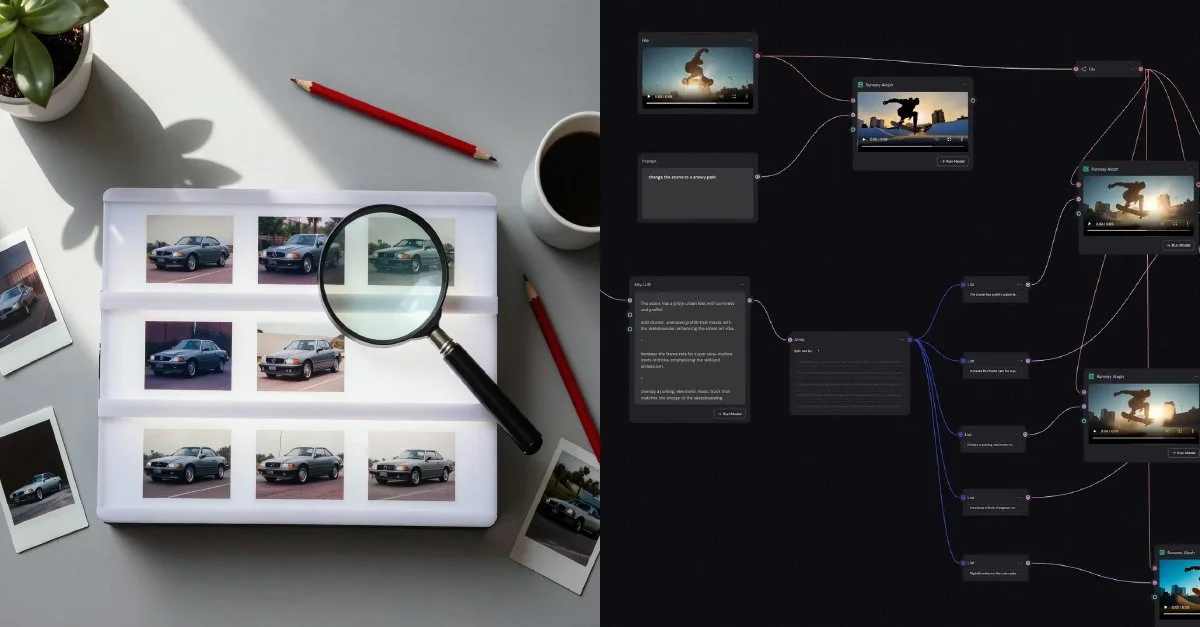
There is a lot of noise in the creative industry right now about AI "killing" the craft. As someone who has been behind the lens and the screen for over 25 years, I’ve heard this story before.
I started in the days of Polaroids and 10x8" film (some readers might have to ask ChatGPT what those were). It was a world of physical chemistry, high stakes, and tediously slow processes. Since then, I’ve navigated every "dangerous" transition the industry has faced:
Then came Photoshop. We were told the "truth" of photography was dead. Instead, it gave us the ability to composite worlds we couldn't previously touch.
Then came digital cameras. We were told the soul of the image would vanish without film grain. Instead, it democratized the "shot" and accelerated the workflow. No more hanging around on location until you could get confirmation the shot wasn’t out of focus.
Then came CGI. We feared "fake" environments would ruin the craft. Instead, it allowed us to build the impossible.
Now, we have AI. And once again, the industry is reacting with fear. But AI is not a replacement for the artist; it is the most powerful tool ever added to our kit.
The Antidote to "AI Slop"
We’ve all seen it: the "AI slop" currently flooding our feeds. It’s generic, uncurated, and frankly, lazy. This happens when people use a powerful engine without a professional driver. AI Slop is the result of a tool without a Director (and the result of the large AI companies desperately needing to raise much needed money).
The difference between a generic, "uncanny valley" image and a high-end brand campaign isn't the software, it’s the 25 years of Art Direction that tells the software what to do. At Springwerks, we use AI to bridge the gap between a great idea and a high-velocity reality, but the "eye" that judges the frame and the mind that ensures every pixel supports your business goal is entirely human.
The Upside for Modern Marketers
For brands and marketing leaders, this transition isn't just about saving money, it’s about reclaiming the creative vision.
Velocity without compromise: we move from a strategic concept to high-end cinematic reality in days, not months.
Focus on outcomes, not logistics: instead of spending your budget on crews, permits, and catering, we spend it on Visual Strategy and the "impossible" shots that actually move the needle for your brand.
The veteran advantage: you aren't hiring a "prompter." You are hiring a partner with 25+ years of design craft who uses a high-velocity AI pipeline to deliver premium, real-world results.
The Constant is the "Eye." The tools change, the lead times shrink, but the requirement for taste, strategy, and "raw authenticity" remains the same.